#04 | Facing your assets, facing people.
Today, I work as an Independent Financial Advisor (IFA), helping clients manage their assets.
Because IFAs are not affiliated with any particular financial institution and provide investment advice from an independent standpoint,they are often called independent financial advisors. In the United States, the practice has a history of over half a century and is widely used by everyone from ordinary households to wealthy individuals. In Japan, however, it is still relatively new, and banks and securities firms remain the first institutions people think of when seeking advice on asset management. It has been about ten years since I left my previous job at a securities firm, and my career as an IFA now spans longer than my time there.
Recently, I have become increasingly aware that my work is not just about money. How do you think about the future? What do you want to value? How far can you go without feeling anxious? Together, we clarify these questions and explore decisions that will be right for each person. This is what my work is truly about today.
Luck and Connections
Of course, I did not always think this way. I took a roundabout path to get here, and several turning points changed my perspective. Looking back, the first thing that comes to mind is how fortunate I have been to have luck and connections. I have been fortunate to have family and friends. My relationship with my parents and older sister is also very peaceful now. My sister and I were not particularly close until we were around junior high school age, but as we became adults, we naturally grew closer, and now we can talk about anything. I believe I have come this far supported by these relationships.
I have also lived without facing major hardships in terms of money or daily life. There were times when I took this for granted, but looking back now, I realize that my family and my environment supported me in ways my own efforts alone could not reach. I feel the same way about my education. I was selected by lottery for junior high school, and although the high school I attended would have been difficult to get into based on my academic ability alone, I was able to attend through my track and field results. Even university was not a place I could have easily entered based on my athletic results alone. Of course, I worked hard, but that alone cannot explain how I got there. A little effort happened to coincide with good timing and fortunate encounters, allowing me to come this far. That feeling has always been part of me.
My First Assignment
Looking back, I feel similarly about my first securities firm. My first assignment was at a branch in the countryside. The senior colleagues, supervisors, and coworkers I met there took very good care of me, looking after me not only at work but also in other aspects of my life. I think the close-knit atmosphere of the regional branch played a part. Because there were fewer people, we watched out for one another, and relationships naturally deepened. It was only after transferring to a large branch that I realized how valuable my first environment had been. Large branches have more people and are more vibrant, but that also means senior colleagues and supervisors are chased by numbers, and everyone is fully occupied with fulfilling their own roles. I realized that relationships where people naturally look after one another across both work and personal matters might be harder to form in such an environment.
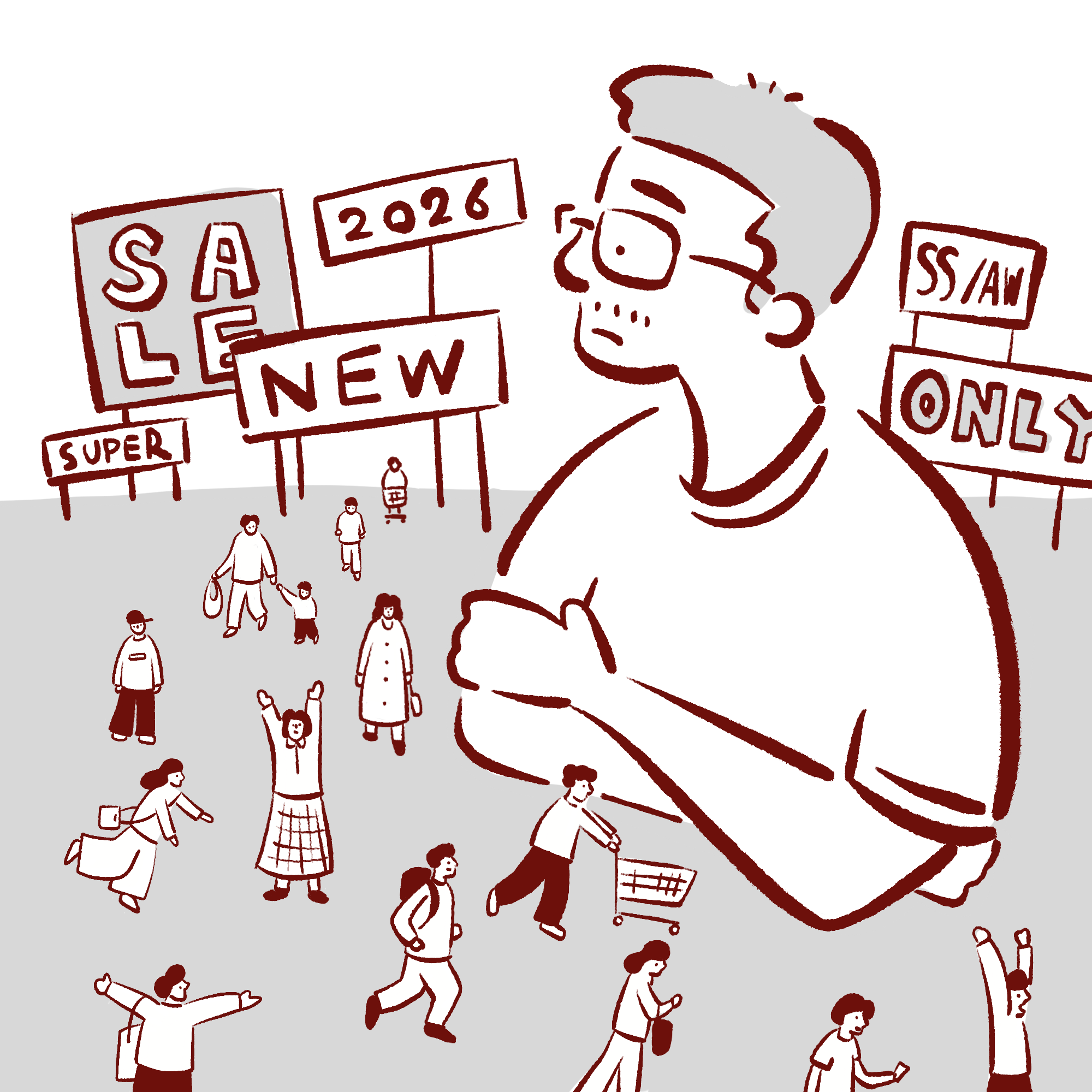
At my first branch, my sales performance was also relatively good. I felt that I was working hard, and the results were showing. At the time, I believed I had a certain level of sales ability. I was also highly conscious of being evaluated well within the company and advancing in my career. Producing numbers, meeting expectations, and delivering results—these were at the center of my work, and I honestly believed they were the true value of being a salesperson.
I believed that sales meant explaining products, conveying their benefits, and persuading people to agree. I thought I was being sincere in my own way, but looking back now, I realize that my sincerity was limited to a very narrow scope. I never intended to disregard the other person’s interests, but in reality, my own desire to deliver results and how I would be perceived took precedence.
I also had some misconceptions about what made a salesperson skilled or impressive. I felt that closing a deal and moving to a contract on the first proposal demonstrated strength as a salesperson, and in investment proposals, I thought it was smarter to make a decision all at once rather than spreading it out over time or choosing different stocks. Recommend without hesitation, and have them decide without hesitation. I believed that was what made a good salesperson.
My Unease with Numbers
However, that feeling did not last long. When I transferred to a large branch on the back of my good performance and expectations, I could not sell as I had hoped. At first, I did not know why. I thought I was doing things just as I had before, but it was not working. What had come naturally at the regional branch was no longer effective. It was then that I first realized how much I had been supported by my environment.
I believe I was also fortunate to have good clients at my first branch. There were aspects of my work where results came without much effort. But at the time, I took that for my own sales ability. It was only after transferring that I saw how much of what I thought I was doing well actually depended on the support of those around me and the favorable environment. To put it slightly strongly, perhaps I was the one who saw my own abilities most inaccurately.
Even so, at the time, I still viewed sales from the perspective of “how to sell.” I was gradually becoming uneasy about how numbers were generated, and the way of accumulating results in ways that were not truly in the client’s best interest simply did not suit me. I never intended to cling to that way of working for life. I would not say I was ready to quit at any moment, but I never intended to keep entrusting myself to that logic of competition. With that in mind, when I was invited to become an IFA, it felt like a natural progression.
Transitioning to an IFA and Facing Failure
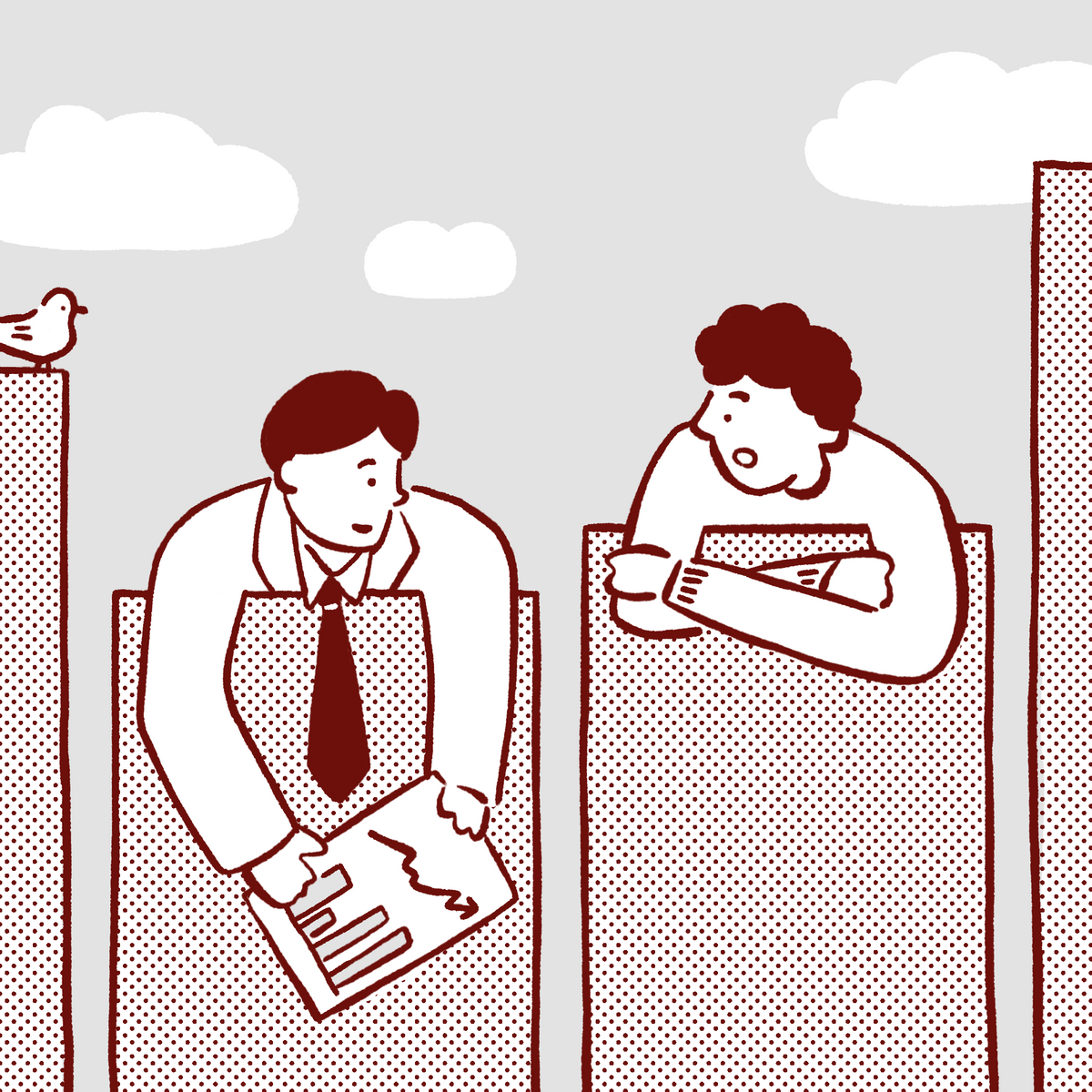
However, just because I became an IFA did not mean my work immediately went well. In fact, during my early days, I felt my own helplessness more clearly than ever before. There were fewer people than I had expected who entrusted me with their funds. Of course, I was underprepared, and I believe there were many things I could have done better. But what mattered even more was realizing that the relationships of trust I thought I had built might not have been the kind of trust I had imagined. I believe that many of the clients I had worked with in the past had been dealing with the company rather than with me personally.
That was honestly painful. I thought I had built stronger relationships of trust, and I believed I had built something of my own. But when the environment changed, those relationships did not continue as I had expected. What remains when the sign above the door changes? What do I truly have? I began to spend more time thinking about these questions.
Signs of Change
I felt impatience and anxiety. I wondered if I had been relying too much on luck and my environment until then. If that were the case, what could I rely on to continue my work from now on? I spent some time struggling with these feelings. Around that time, while preparing to start our own company, I happened to meet the current representative of the firm. He had also happened to join the same IFA firm to start his own company. Looking back, I believe that meeting was also a fortunate connection.
I will omit the details of the representative’s career, but he had an outstanding track record that only a tiny fraction of retail securities salespeople could achieve. I had imagined a hard-charging salesperson, but he had a softer demeanor while clearly holding strong convictions. What mattered most to me was not only that we met, but that my approach to clients changed through him. One thing that has stayed with me is that he referred to our work not as “sales,” but as a “service industry.”
It is not about improving your skills in selling financial products and pursuing sales. Rather, what each client wants is different. Depending on a client’s age, personality, past experiences, family, and what they value, the level of risk they can take and the returns they want to pursue will differ greatly. There is no single good product from the outset; the form of the proposal changes depending on a person’s way of thinking, background, and needs. How can we make sure the client is satisfied and chooses us as their asset management partner? It seems obvious now, but I believe I still did not truly understand it at the time. Until then, I believed that the product came first, and sales meant figuring out how to present it. But that meeting changed the order of things for me. First, listen to the client. The product can come later. A product is a means to fulfill the client’s goals, not the main character itself. That is what finally clicked for me.
My Own Style
Of course, I do not always proceed in the same way. Some clients want to know about the product itself, and in those cases, I may start by talking about the product and then expand into their background and way of thinking. Now, I deliberately try not to rely too heavily on a single “correct” way of selling. Rather than making the client follow the flow I have decided, I try to adapt to their stance and what they are looking for. Some people want to talk about their anxieties first, while others want to organize information at the outset. I have learned to listen to and respond to those differences.
This change has also transformed how I view my work.
In the past, I valued making a decision all at once and delivering results quickly. But now, I believe that long-term trust is more important than short-term results. If it is necessary for the client, taking the time to determine the timing of an investment or not rushing to a conclusion is the most natural way to proceed. I have come to believe that it is far more important whether a person can move forward with confidence than whether a proposal looks good to me. Since I began thinking this way, my perspective on this work has also changed slightly.
I do not think it is wrong to say that I am “helping people manage their assets.” But I also feel that is not quite enough. This is because what I am truly working with is a longer story: how that person wants to live their life from now on and what kind of future they envision.
Money is not everything in life, but it is one of the foundations for living with peace of mind. I believe that thinking about that foundation alone is more difficult than people realize.
As long as there are market fluctuations, no one can know how things will turn out. Sometimes things will not go as planned, and sometimes you will only understand why after looking back. Even so, there is meaning in moving forward with a client’s agreement. It is not just about what to choose, but about thinking together about why you are choosing it. It is about not leaving things unknown. It is about not rushing when there is no need to rush. I believe that these small steps add up to long-term peace of mind.
Steady, Unassuming Work
I was never particularly good at building things up steadily. In fact, I think I often avoided that kind of effort. But strangely, I was always drawn to people who built things up steadily, like the character in the manga “Hajime no Ippo” or the baseball player Ichiro. Even though it was something I struggled with, I think I admired it somewhere deep down. Through various experiences at work, I eventually found myself facing that challenge as well.
Trust cannot be built all at once, and a proposal cannot be completed in a single conversation. Listen to the other person, understand their background, and gradually build a relationship. I have come to feel that continuing to do these simple things is actually what matters most. And since changing my way of thinking and working, I have found my work much more enjoyable than it used to be. I believe that in the past, I was trying to use my work to raise my own standing.
Now, I want to use my work to ensure that clients do not have to carry the burden of money alone. This difference is quite significant to me.
The word “society” is a big one, but I believe that in reality, it may be built on a series of small supports: someone’s anxiety being eased a little, or being able to think through something with someone else that you could not decide on alone.
Money is important, but it can be surprisingly difficult to talk to someone about it. There is so much information, but sometimes it can make it even harder to know what to believe.
In those moments, I believe there is more meaning than I had imagined in having someone to think through things with, and in being able to translate financial terms into the language of everyday life. I cannot change the market itself through my work, nor can I promise the future. But I may be able to support a client in making a decision that makes sense in the context of their own life. I may be able to help them avoid carrying the burden of money alone. When I think about it that way, I believe that even if this work is not flashy, it is work that supports people’s lives over the long term.
Assets and People
I have come this far with the help of luck and connections. But work alone was not enough to sustain me.
I realized how much I had been supported by my environment, and I learned how vulnerable I felt when that support was gone. Through meeting people, the meaning of my work gradually changed. Now, I want to value making a decision with confidence more than making things look good. I want to confirm the client’s goals together, consider products as a means to achieve them, and take the time to build trust. I want to continue doing this kind of work.
I believe that the society I have traveled through until now was a place where I worried about my own position in the midst of competition, but also a place where I gradually learned to see things from the same perspective as others. Now, I finally feel that my work may be less about moving assets and more about easing the vulnerability people feel when facing the future.
I want to continue to confirm this through my work.

Masayuki Morishita
Peregrine Wealth Services Co., Ltd.
After working for six years at a bank-affiliated securities firm, I became an IFA. I have partnered with SBI Securities, Rakuten Securities, and Mita Securities, and am also affiliated with
Illustration by @Naoto Takamatsu